
Why Regular Inspections Are Essential to a Pest Control Service
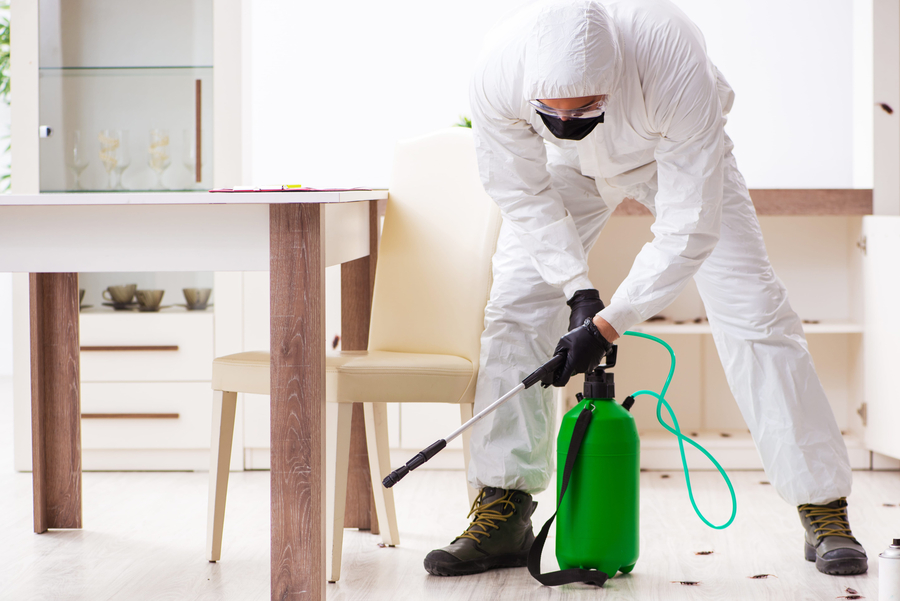
Quick answer: Regular pest inspections help identify active pests, hidden entry points, moisture problems, nesting areas, and conditions that may attract future infestations. They also allow treatments to be adjusted based on current evidence instead of relying on routine applications alone. For Hollywood, Florida homes and businesses, inspection frequency should reflect the pest involved, the property’s history, seasonal conditions, and whether an active pest or termite protection plan is in place.
Pest problems often begin with subtle conditions: a gap near a pipe, moisture behind a wall, food residue, termite activity inside wood, or a few ants following a trail. Regular inspections make those early conditions easier to identify. This is why inspection is an essential part of a long-term pest control service in Hollywood, FL, not a step reserved for obvious infestations.
What Happens During a Professional Pest Inspection?
A pest inspection is a systematic evaluation of the areas where pests are most likely to enter, feed, hide, reproduce, or cause damage. The exact process depends on the type of property and the pest concern, but it commonly includes:
- Reviewing reported sightings, noises, bites, damage, or previous treatments
- Checking likely entry points around doors, windows, rooflines, vents, utility lines, and foundations
- Looking for droppings, shed wings, frass, nests, trails, gnaw marks, stains, damaged wood, or live insects
- Inspecting areas with food, water, warmth, clutter, or shelter
- Evaluating moisture sources such as plumbing leaks, roof leaks, drainage problems, and condensation
- Identifying sanitation, storage, landscaping, or structural conditions that may support pest activity
- Determining whether monitoring, exclusion, treatment, or follow-up is appropriate
This approach reflects integrated pest management: monitoring, accurate identification, prevention, and choosing controls based on evidence.
Why Inspections Improve Long-Term Pest Control
They Find Activity Before It Becomes More Visible
Many pests stay hidden in wall voids, attics, crawl spaces, cabinets, storage areas, landscaping, or wood. By the time activity becomes obvious, the pest may already have established a nesting or feeding area.
Inspections cannot guarantee every hidden pest will be found, but early evidence can provide more treatment and prevention options before activity spreads.
They Identify the Cause, Not Just the Pest
Removing visible pests does not always solve the underlying problem. Ants may be entering through a plumbing gap. Cockroaches may have access to water under a sink. Rodents may be using an opening along the roofline. Termite risk may be increased by wood-to-soil contact, moisture, or hidden activity inside structural wood.
An inspection helps connect the pest to the conditions supporting it. That information can guide practical corrections such as sealing an opening, repairing a leak, adjusting storage, removing accessible food, improving drainage, or changing the treatment location.
They Reduce Unnecessary or Poorly Targeted Treatment
A single insect sighting does not always justify broad treatment. Accurate identification matters because different pests require different approaches. The location of the activity, life cycle, nesting behavior, and level of infestation all affect the recommended response.
Monitoring helps determine whether the property needs exclusion, sanitation changes, trapping, baiting, targeted treatment, termite control, fumigation, or continued observation.
They Show Whether the Current Plan Is Working
Follow-up inspections compare current conditions with earlier findings. They may show reduced activity, no new evidence, closed entry points, or a need to revise the plan.
What Pest Warning Signs Should an Inspection Look For?
| Pest Concern | Possible Signs | Why Inspection Matters |
|---|---|---|
| Termites | Discarded wings, mud tubes, hollow-sounding wood, damaged wood, or drywood termite pellets | The species and extent of activity affect whether localized treatment, baiting, liquid treatment, or fumigation may be considered |
| Rodents | Droppings, gnawing, scratching sounds, greasy rub marks, damaged food packages, or nesting material | The inspection should locate activity and possible entry points rather than relying only on traps |
| Ants | Trails, recurring activity near moisture or food, nesting areas, or winged ants | Correct identification helps determine whether baiting, exclusion, moisture correction, or another method is appropriate |
| Bed bugs | Live insects, shed skins, dark spotting, eggs, or stains near sleeping and resting areas | Bites alone do not confirm bed bugs; a targeted inspection helps verify the pest and the areas involved |
| Cockroaches | Droppings, egg cases, live insects, musty odors, or activity near food, drains, appliances, and moisture | Finding harborages and moisture sources supports a more focused treatment plan |
How Often Should a Property Be Inspected?
There is no single inspection schedule that is right for every property or every pest. Frequency should be based on risk rather than an automatic calendar recommendation.
Factors that may justify more frequent monitoring include:
- A recent or recurring infestation
- Evidence of termites or an active termite protection agreement
- Previous rodent entry or unresolved structural openings
- Food service, hospitality, multifamily, healthcare, or other sensitive commercial operations
- Heavy landscaping, moisture problems, construction activity, or nearby pest pressure
- Changes in pest sightings after heavy rain, heat, or building repairs
For termite prevention, University of Florida guidance recommends an annual inspection by a pest-management professional trained in termite and wood-destroying organism identification. General household pest inspections may be scheduled annually, seasonally, or as part of a recurring service plan depending on the property’s conditions and history.
A new inspection should also be requested promptly when there are unexplained droppings, wings, pellets, gnawing, structural damage, recurring ant trails, or other new evidence.
Why Hollywood, Florida Properties Need Consistent Monitoring
Hollywood and surrounding South Florida communities have warm temperatures, humidity, frequent rain, dense landscaping, and year-round building use. These conditions can provide pests with moisture, shelter, and access to structures across much of the year.
Properties may face several concerns at once. Moisture can contribute to ant or cockroach activity, roofline gaps may admit rodents, and drywood and subterranean termites may require different control methods. Inspection prevents the assumption that one treatment addresses every pest.
Termite Inspections Are Different From General Pest Inspections
A general inspection may focus on household insects and rodents. A termite or wood-destroying organism inspection requires attention to structural wood, foundations, attics, moisture, damage, mud tubes, wings, and pellets.
Florida regulates structural pest control businesses through the Florida Department of Agriculture and Consumer Services. Termite control, general household pest and rodent control, and fumigation are separate certification categories. Property owners should verify that the company they hire is properly licensed for the service being performed.
Captain Termite provides termite control in Hollywood, FL, including inspections and treatment options based on the termite type, location, and extent of activity.
How Inspections Guide Different Pest Control Services
Ant Control
An ant control inspection looks beyond the visible trail. The technician may check moisture sources, food access, plumbing penetrations, exterior nesting areas, and the route ants are using. Treatment can then be selected based on the species and nesting behavior.
Rodent Control
Effective rodent control services should locate entry points as well as activity. Trapping addresses rodents inside, while exclusion and sanitation help reduce renewed entry.
Bed Bug Control
A bed bug inspection checks seams, cracks, furniture, and resting areas to confirm the pest and determine the treatment scope.
What Should Property Owners Do Between Inspections?
- Correct moisture promptly. Repair plumbing and roof leaks, manage condensation, and avoid standing water.
- Reduce food access. Store food and pet food securely, clean spills, and use tightly closed waste containers.
- Limit hiding places. Reduce clutter and keep storage organized, especially in garages, attics, and utility areas.
- Watch entry points. Check screens, door sweeps, vents, utility penetrations, and visible gaps.
- Keep records. Note the date, location, and type of pest evidence instead of immediately cleaning away every sign.
- Avoid disturbing termite evidence. Photograph wings, pellets, or mud tubes and arrange a professional inspection.
How to Choose a Pest Control Company in Hollywood
Ask how the provider identifies pests, documents findings, selects treatments, follows up, and explains precautions. Florida property owners can use the FDACS public database to verify licensing and certification.
Captain Termite is a family-operated company providing residential and commercial pest control in Hollywood, West Park, and Fort Lauderdale. Recommendations depend on inspection findings and property conditions.
Frequently Asked Questions
Can a pest inspection prevent every infestation?
No. An inspection cannot guarantee that pests will never enter a property. It can identify current evidence, risk conditions, and access points so corrective action can be taken earlier. Ongoing sanitation, maintenance, exclusion, monitoring, and treatment may all be needed.
How often should I schedule a termite inspection in Florida?
An annual professional termite inspection is a practical standard for Florida properties, particularly when the property has a termite agreement or previous activity. A sooner inspection is appropriate when you find wings, mud tubes, pellets, damaged wood, or other suspicious evidence.
Is a general pest inspection the same as a termite inspection?
No. General inspections often focus on household insects and rodents, while termite inspections evaluate wood-destroying activity and related structural conditions. Florida uses separate certification categories for general household pest control, termite and wood-destroying organism control, and fumigation.
What happens if an inspection finds pest activity?
The technician should identify the likely pest, explain the evidence, evaluate contributing conditions, and recommend an appropriate next step. That may include monitoring, exclusion, sanitation changes, trapping, baiting, a targeted treatment, or a termite-specific service.
Are pest control products safe for children and pets?
Safety depends on the product, application method, location, and compliance with label directions. Tell the technician about children, pets, aquariums, allergies, and other concerns before treatment. Follow all preparation, re-entry, ventilation, and post-treatment instructions provided.
Should I clean up pest evidence before the inspection?
Photograph and preserve evidence when practical. Droppings, wings, pellets, trails, damage, and the exact location can help with identification. Avoid direct contact with droppings or unknown insects, and do not disturb suspected termite areas before a professional evaluates them.
Schedule a Pest Inspection With Captain Termite
Regular inspections provide the information needed to make better pest-control decisions. Captain Termite can evaluate signs of activity, entry points, moisture and sanitation conditions, and the type of service that may fit your Hollywood-area property.
Call 954-391-1726 or contact Captain Termite to request an inspection or discuss pest removal services in Hollywood, Florida.
