
Why Homeowners Need to Focus on Both Extermination and Prevention
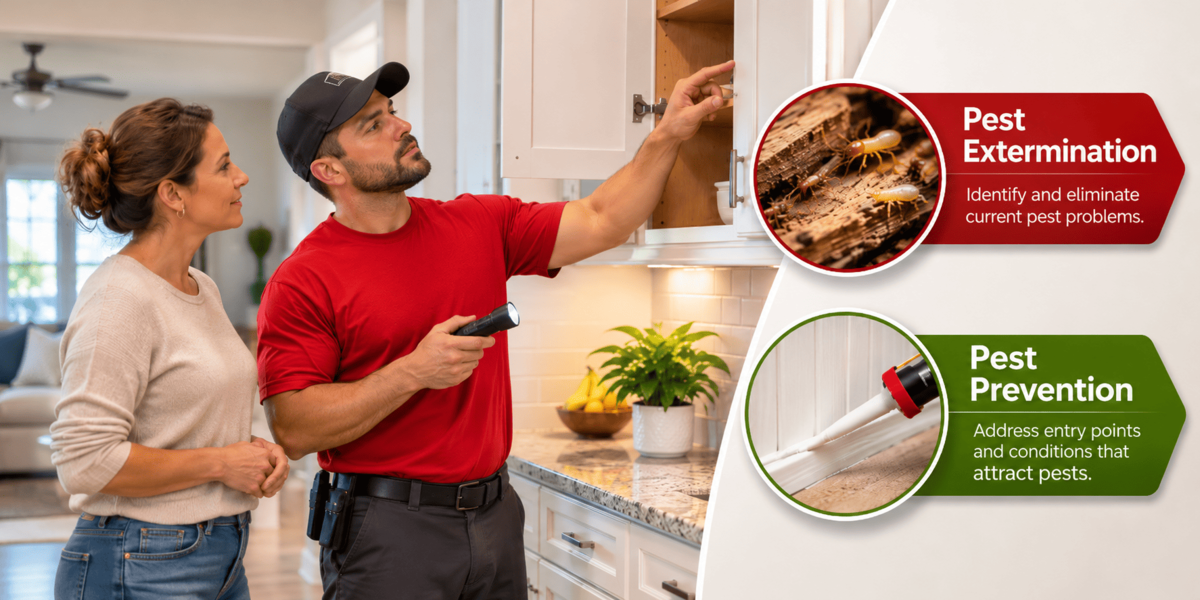
Extermination can address active pests, but prevention helps reduce the conditions and entry points that may allow them to return. For homeowners looking for pest control services in West Park, Captain Termite can assess current pest activity and recommend treatment and preventive steps based on the pest and property.
Pests rarely appear without a reason. Food, moisture, shelter, and easy access can make a home appealing to insects and rodents, while small cracks or unnoticed leaks may help them settle in. At Captain Termite, we believe a well-rounded pest management plan should address both the pests homeowners can see today and the conditions that could attract more tomorrow. Understanding the difference between extermination and prevention is an important first step toward a more comfortable home.
What Extermination Does—and What It Does Not Do
Extermination focuses on controlling or eliminating pests that are already active. Depending on the pest and the extent of the problem, treatment may target insects, rodents, nesting or hiding areas, and the routes pests use to move through a property. When an infestation is active, timely treatment can help address the existing pest activity before the problem becomes more widespread.
However, removing the pests currently present does not automatically change the conditions that allowed them to enter. If a gap remains around a pipe, standing water continues to collect, or accessible food is left out overnight, the home may still provide an inviting environment. A treatment can address the immediate issue while the underlying entry point or attractant remains.
Why quick relief may not mean the problem is over
Some pests are easy to spot, but activity can continue in places homeowners cannot readily inspect, such as wall voids, crawl spaces, attics, or behind appliances. A homeowner may see fewer insects after treatment and assume the issue is finished, only to notice fresh signs later. Reappearance does not always mean the original treatment failed; it may indicate that pests are entering from another location, that an attractant remains, or that a new population has moved in.
Pest management should begin by identifying the pest, the extent of the activity, and the conditions contributing to the problem. Identifying the pest, locating likely activity, and understanding how it is gaining access can help guide an appropriate treatment plan. Effective pest control services in West Park should be considered as part of a broader effort to address both the infestation and the conditions around it.
Prevention Helps Protect the Home After Treatment
Prevention is the work of making a home less accessible and less appealing to pests. It can involve sealing entry points, improving sanitation, reducing excess moisture, maintaining landscaping, and checking areas where pests may hide. These steps do not replace professional treatment when pests are established, but they can support treatment and reduce the likelihood of repeat activity.
Think of the process as solving two connected problems. Extermination addresses the pests that are present; prevention helps limit the reasons they came in and the paths they used. If entry points or attractants remain after treatment, pest activity may recur.
Everyday habits that can make a difference
- Store food securely: Keep pantry goods in sealed containers, clean up crumbs promptly, and avoid leaving pet food accessible for extended periods.
- Manage moisture: Repair leaks, dry damp areas, and improve drainage where water tends to collect. Many pests are drawn to reliable sources of moisture.
- Close entry points: Check around doors, windows, utility lines, vents, and foundations for gaps that could provide access.
- Reduce clutter: Organized storage makes it easier to spot signs of activity and limits some places where pests can hide.
- Maintain the exterior: Keep vegetation and stored materials from crowding the structure, and avoid creating undisturbed debris piles beside the home.
Prevention is not about expecting homeowners to find every hidden vulnerability on their own. It is about combining reasonable household habits with professional guidance tailored to the property and the pest involved.
Different Pests Require Different Prevention Plans
A practical plan depends on what is affecting the home. Ants, rodents, and termites do not behave the same way, so a single treatment or prevention checklist may not address every risk. Correct identification matters: the right response for an ant trail may be different from the response to rodent activity or signs of wood-destroying pests.
Ants: Follow the trail back to the cause
An ant infestation often becomes noticeable when ants gather around food, sinks, or other sources of moisture. Wiping up a visible trail may provide temporary relief, but it may not address the route ants are following or the conditions drawing them inside. Professional ant control services can help determine where activity is concentrated and what measures are suitable for the situation. If ant activity keeps returning, an ant exterminator can also help assess whether entry points, food sources, or other factors need attention.
Homeowners can support an ant management plan by cleaning food residue, storing sweets and other pantry items securely, and checking for damp areas. These steps can reduce food and moisture sources that may attract ants. They are most effective when paired with treatment that takes the particular infestation into account.
Rodents: Combine removal with exclusion
Rodents can enter through surprisingly small openings and may seek food, shelter, and nesting materials indoors. Addressing visible activity without checking how rodents are getting inside can leave the home open to continued rodent entry. Rodent control services can help assess the problem and identify measures that may be needed to manage current activity and limit access in the future.
Good housekeeping also matters. Secure food and waste, reduce clutter in storage spaces, and pay attention to openings around foundations and utility lines. When homeowners notice droppings, gnaw marks, unusual sounds, or other signs of rodents, timely professional assessment can help clarify the next steps.
Termites and other hidden concerns
Some pest activity is difficult to detect until there are visible signs, which is one reason routine attention to the property is valuable. Homeowners should not rely solely on seeing pests to decide whether to investigate a concern. Changes to wood, unexplained damage, or other unusual signs deserve careful evaluation by a qualified professional. A professional inspection can help determine whether active pest activity is present and what treatment or preventive measures may be appropriate.
The Long-Term Value of a Combined Approach
Focusing on extermination and prevention can reduce repeated pest activity over the long run because it aims to reduce repeat problems, not just resolve the latest visible outbreak. Repeated infestations can lead to repeated disruption, additional appointments, and greater concern about damage or sanitation. While no approach can promise that pests will never appear, a thoughtful plan can help reduce common risks and make future activity easier to detect.
There is also a practical benefit to understanding what is happening around the property. When a pest control company identifies likely sources of activity and explains recommended follow-up steps, homeowners have clearer information about how to manage the problem. Instead of guessing which product or household remedy to try next, they can focus on a response suited to the pest and the home.
Professional pest removal services may be especially helpful when activity is persistent, widespread, difficult to identify, or located in areas that are hard to access. A professional can assess the situation, explain available options, and discuss steps that may help prevent a recurrence. The right recommendations will depend on the property, the pest, and the conditions found during an inspection.
How Homeowners Can Work With a Pest Professional
Homeowners can make a service visit more useful by sharing what they have noticed. Note where pests appear, when activity is most frequent, and whether there are signs such as droppings, damaged materials, or recurring trails. If possible, avoid disturbing the area before it is assessed, since the location and pattern of activity may help a professional understand what is happening.
- Describe the signs: Explain what you have seen and how long the problem has been occurring.
- Point out recurring locations: Mention rooms, exterior areas, or specific openings where activity tends to appear.
- Ask about the plan: Find out what the recommended treatment addresses and whether follow-up or prevention steps are advised.
- Discuss household considerations: Share relevant information about access, pets, or other factors that may affect service planning.
- Follow practical recommendations: Complete agreed-upon maintenance and sanitation steps, and report any renewed activity.
Clear communication helps homeowners understand what a treatment is intended to do and what recommended follow-up steps. It also makes it easier to distinguish between a resolved issue and a new concern that deserves another look.
Choose a Plan That Looks Beyond Today
When comparing pest control options, consider whether the conversation includes more than immediate extermination. A complete approach should take the pest and its activity into account, consider possible entry points and attractants, and provide useful guidance for keeping the home less inviting. The goal is not simply to respond to what is visible, but to make sensible decisions about the whole property.
At Captain Termite, we understand that a pest concern can be stressful, particularly when activity keeps returning. A careful, prevention-minded approach can help homeowners move from reacting to every new sighting toward a clearer plan for managing risk. Whether the concern involves ants, rodents, or another pest, the best next step is to understand what is present and what may be contributing to it.
Protect Your Home With a Two-Part Strategy
Extermination and prevention work best together. Treatment can address active pests, while exclusion, sanitation, moisture management, and routine attention can help reduce the conditions that encourage them. Homeowners who focus on both parts are better positioned to protect their living space and avoid an ongoing cycle of short-term fixes.
Tired of treating the same pest problem again and again? Contact Captain Termite through the online contact form or call (954) 391-1726 to schedule an inspection and discuss the pest activity you are seeing. Whether you need ant control, rodent control, termite treatment, or broader pest control services in West Park, the team can help identify the problem and recommend appropriate treatment and prevention steps.
